

OUR SOLAR SYSTEM
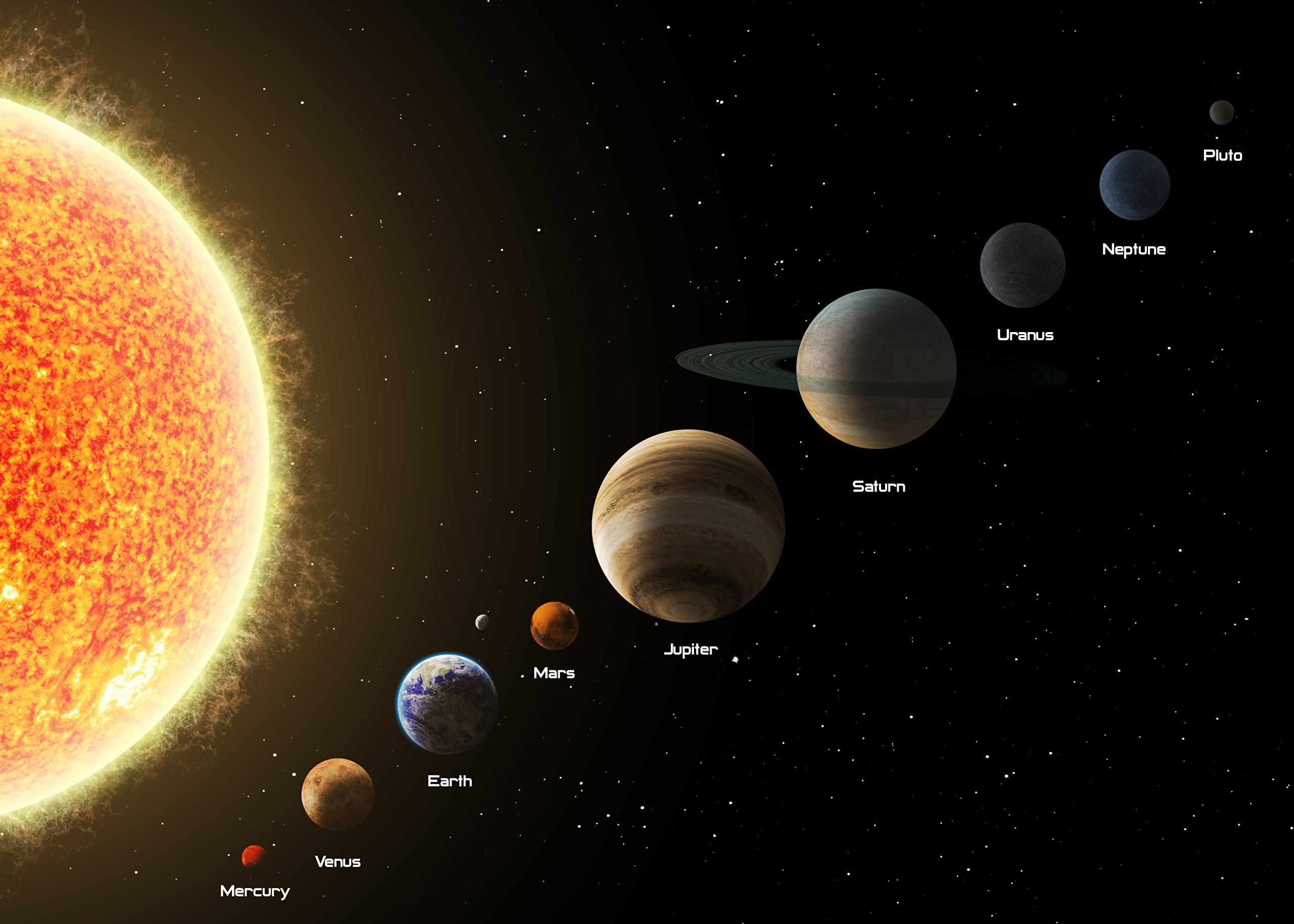
Our Solar System is a vast celestial arrangement comprising the Sun, Eight Planets, their Moons, Dwarf Planets, Asteroids, and various other Celestial Bodies. Let’s explore the characteristics and key features of each planet, with a detailed focus on Earth and its natural Satellite, the Moon.
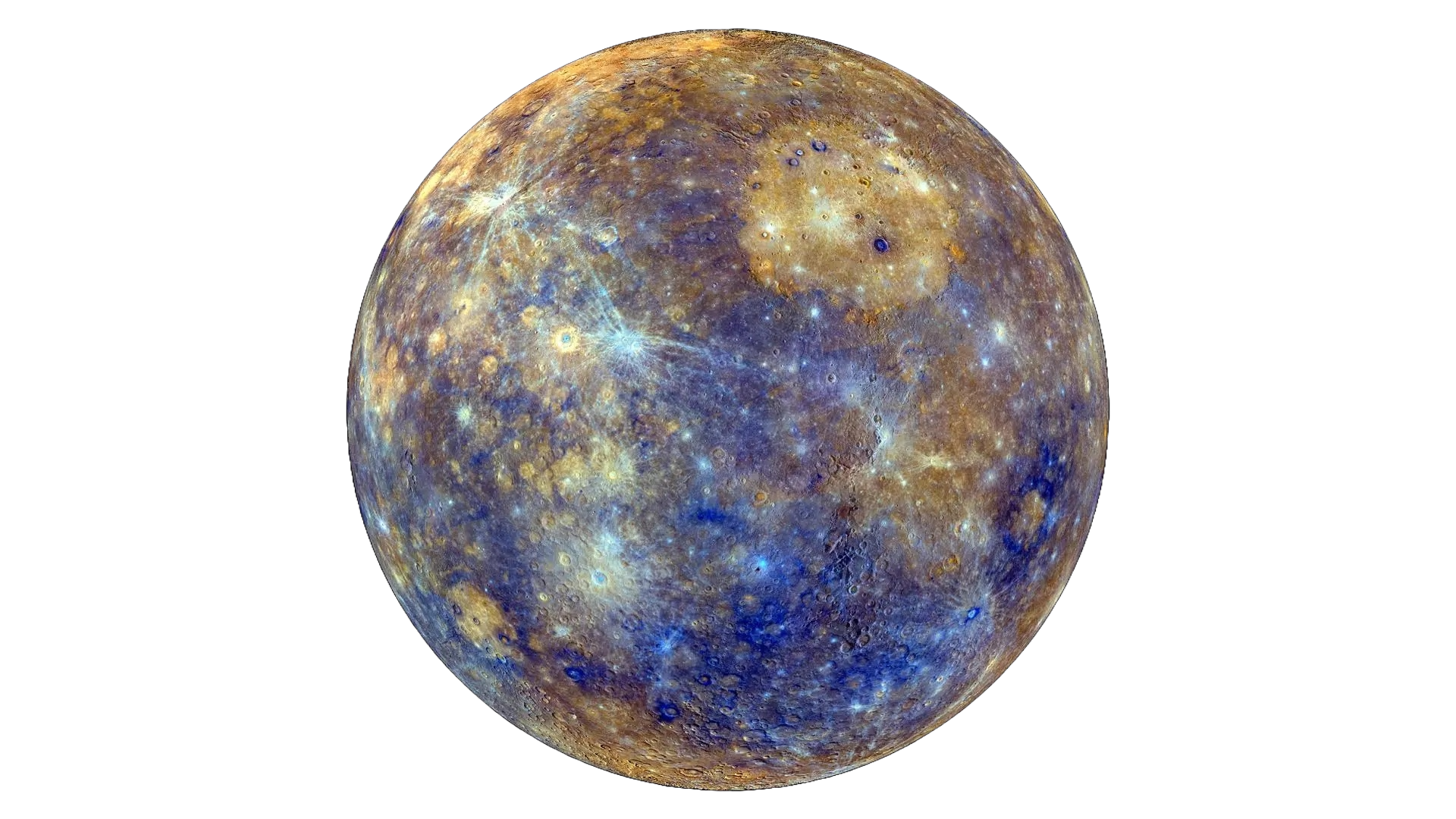
Mercury
• Closest planet to the Sun.
• Extreme temperature variations between day and night.
• No substantial atmosphere.
• Small and rocky.
Venus
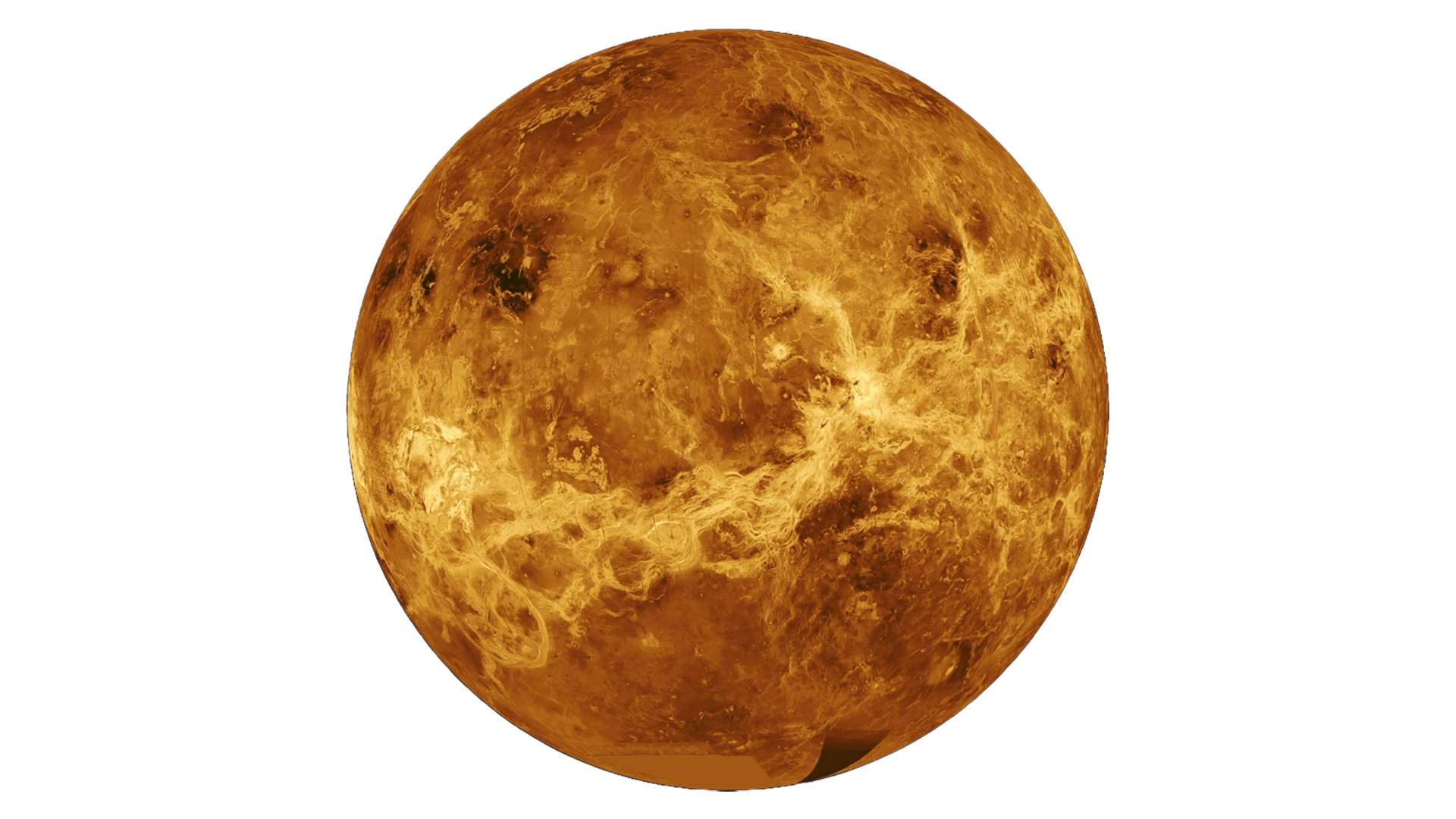
• Similar in size and composition to Earth.
• Thick, toxic atmosphere primarily composed of carbon dioxide.
• Surface temperatures hot enough to melt lead.
• Often referred to as Earth’s “Sister Planet.”
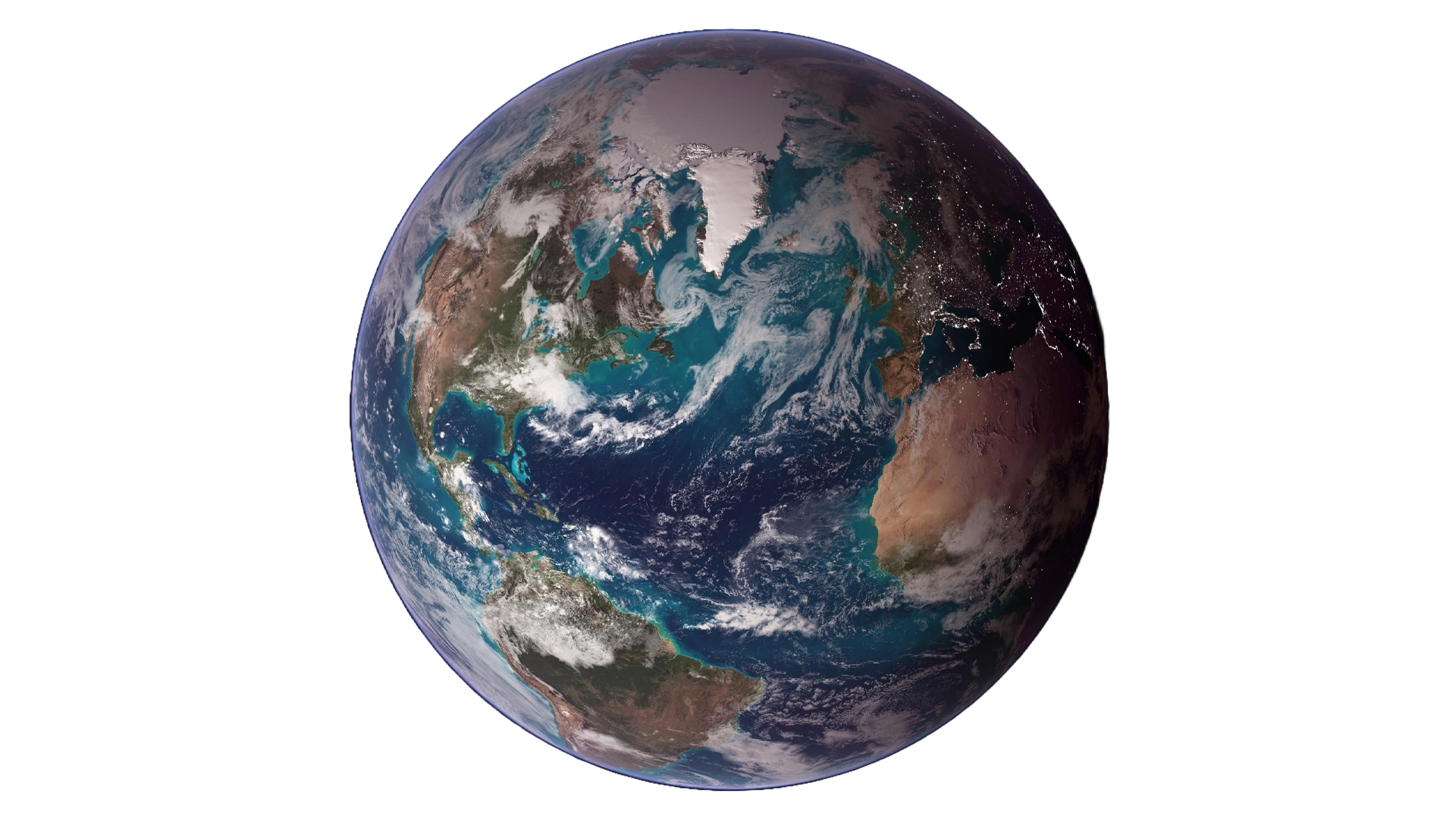
Earth
• Third planet from the Sun.
• Supports a diverse range of life.
• Atmosphere composed mainly of nitrogen & oxygen.
• Unique for its liquid water, Crucial for life as we know it.
Moon
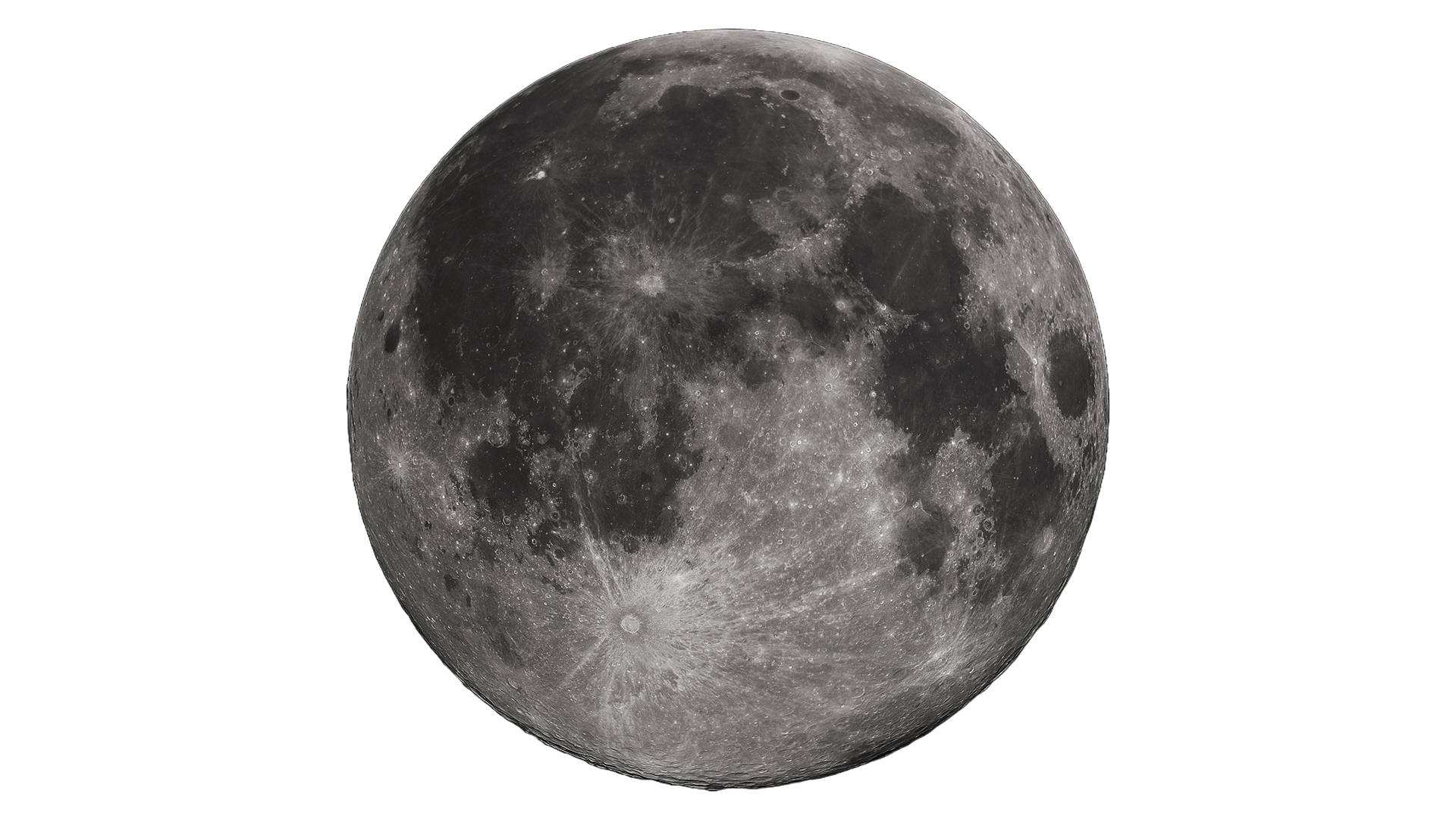
• Earth’s only natural satellite.
• Approximately one-sixth the size of Earth.
• Gravitational influence causes tides on Earth.
• Features impact craters, Mountain ranges & Dark plains.
Mars
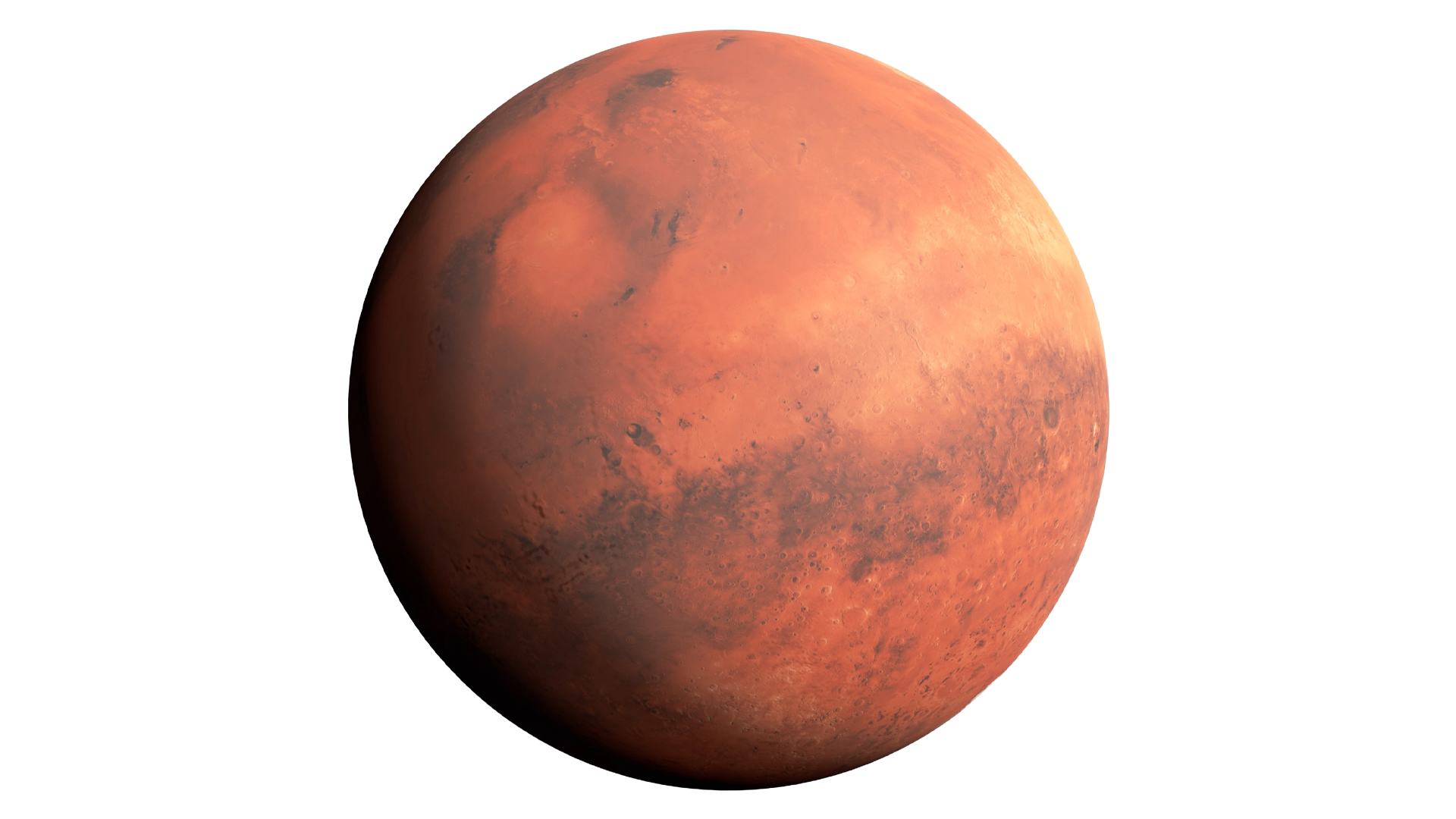
• Known as the "Red Planet" due to its rusty appearance.
• Surface features include volcanoes, Valleys & Polar ice caps.
• Thin atmosphere primarily composed of carbon dioxide.
• Ongoing exploration for signs of past or present life.
Jupiter
• Largest planet in our solar system.
• Composed mostly of hydrogen & helium.
• Notable for the Great Red Spot, A giant storm.
• Has a strong magnetic field & numerous moons.
Saturn
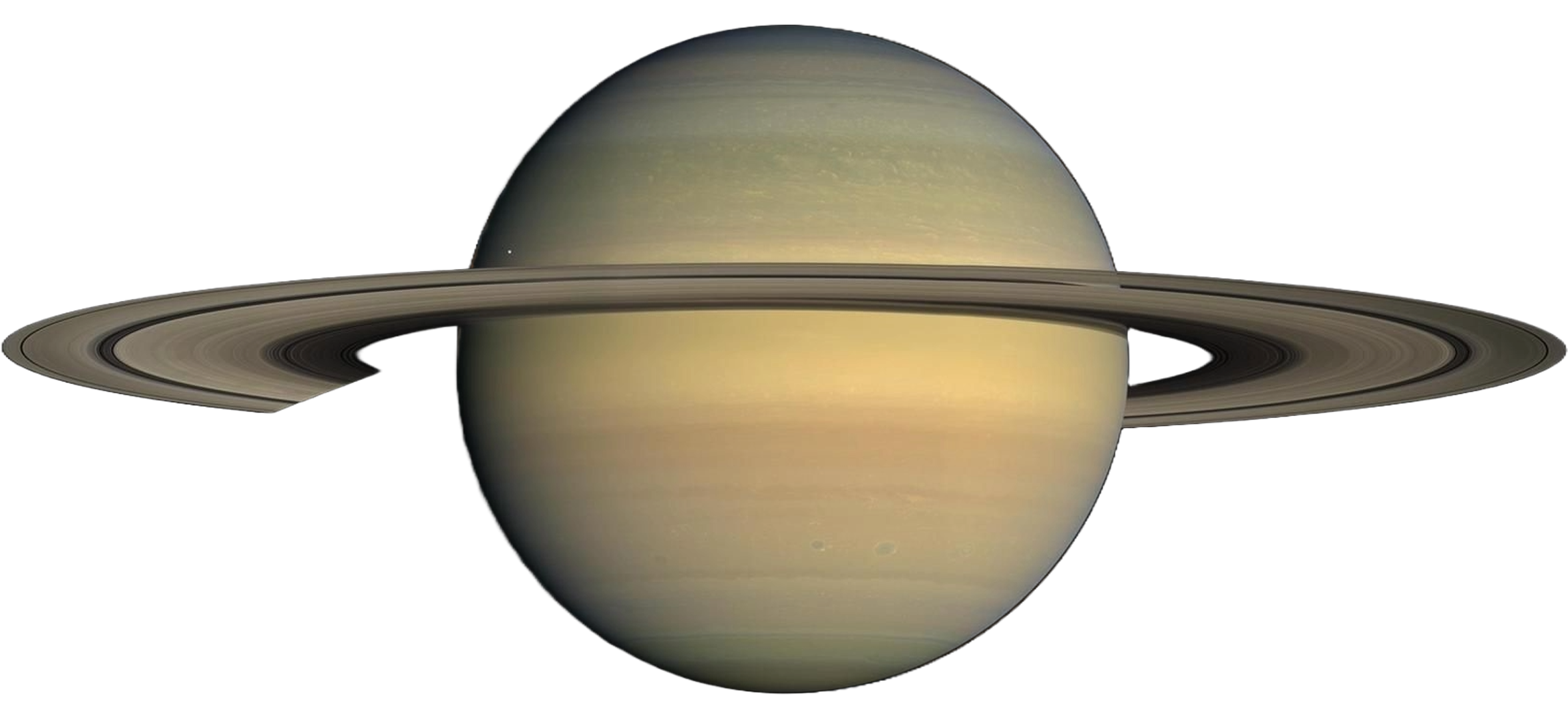
• Recognized for its stunning ring system.
• Second largest planet in our solar system.
• Mostly composed of hydrogen & helium.
• Extensive system of rings made up of ice & rock particles.
Uranus
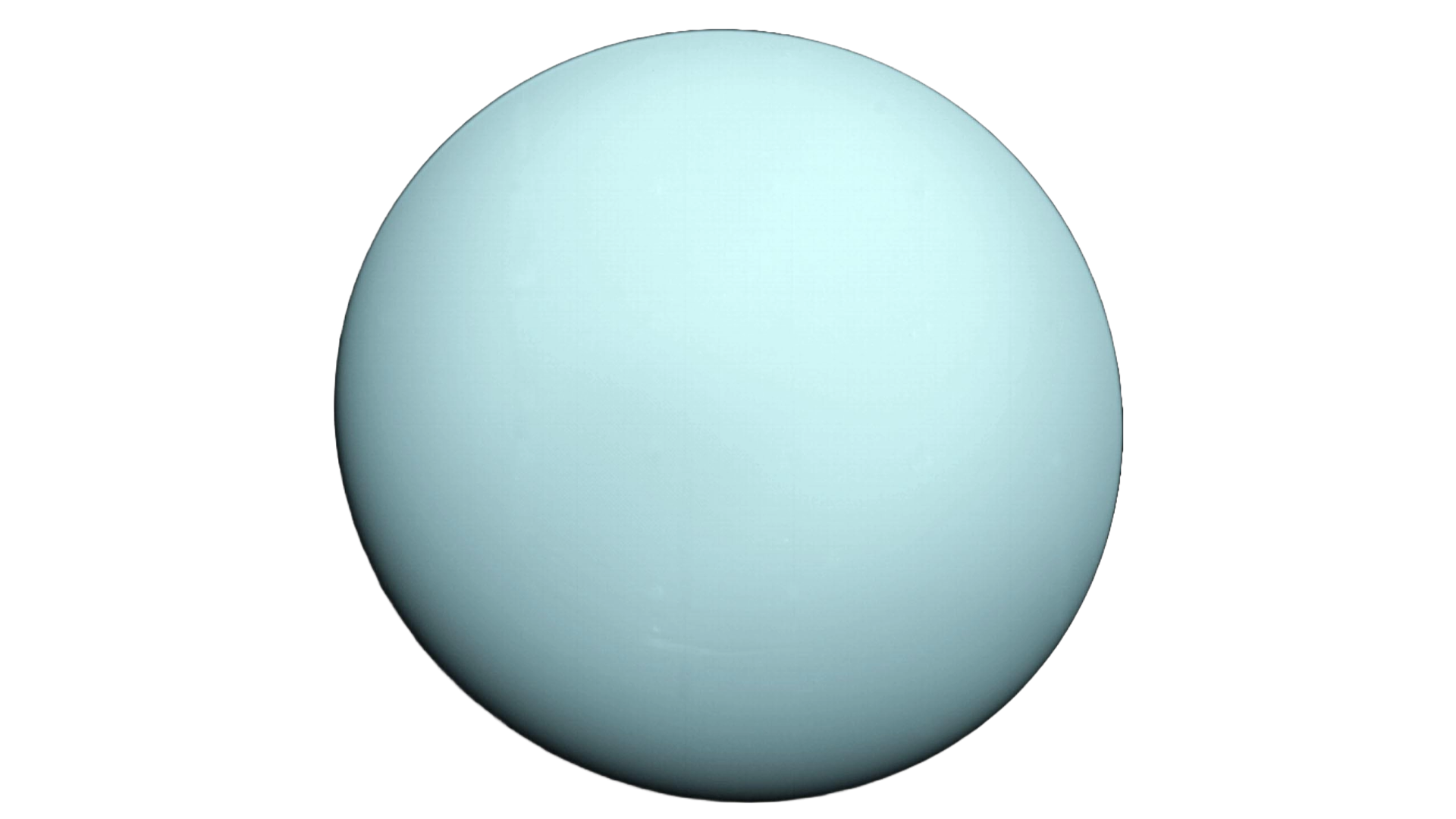
• Tilted on its side, Unique among the planets.
• Composed mainly of Hydrogen, Helium & Methane.
• Appears blue-green due to methane in its atmosphere.
• Rotates in a retrograde direction compared to most planets.
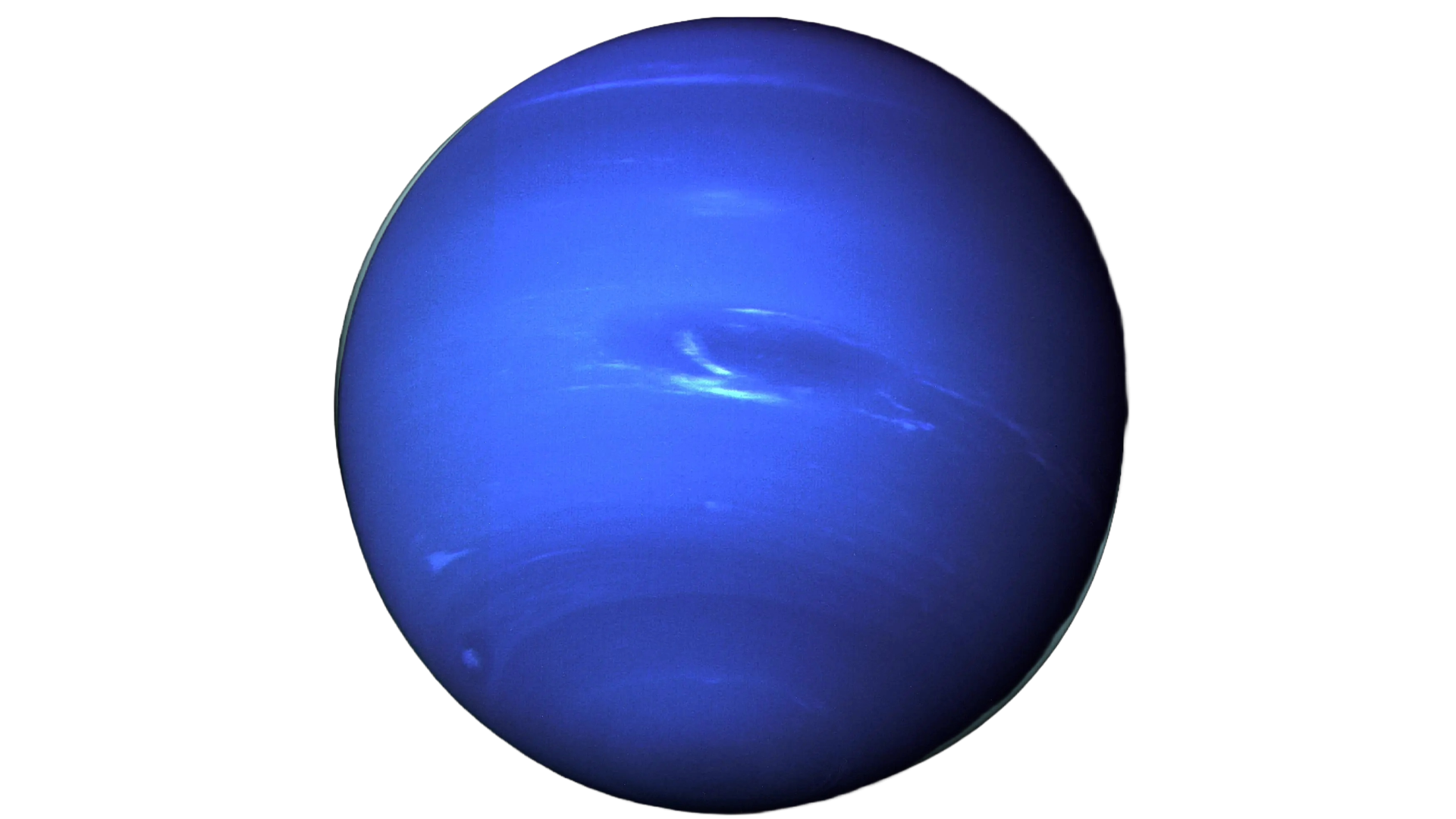
Neptune
• Farthest known planet from the Sun.
• Blue in colour due to the presence of methane.
• Dynamic atmosphere with storms & high winds.
• Has a notable dark spot, Similar to Jupiter’s great red spot.
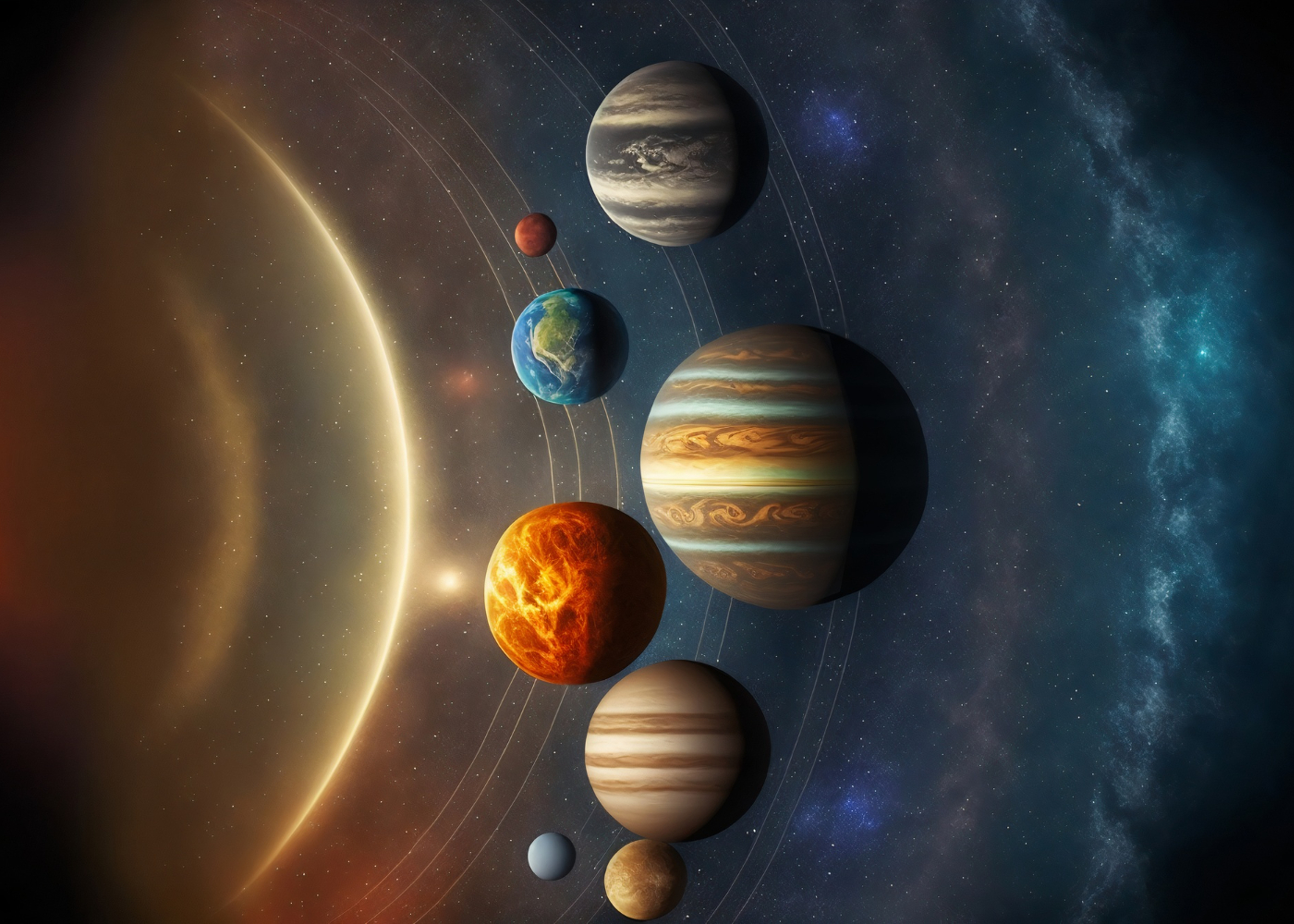
Each planet in our solar system offers a unique set of characteristics, Contributing to the diversity and beauty of our cosmic neighbourhood. Earth with its abundance of life and the Moon as its companion holds a special place in our understanding of the cosmos. The study of these Celestial Bodies continues to deepen our knowledge of the Universe and our place within it.