

THE EARTH
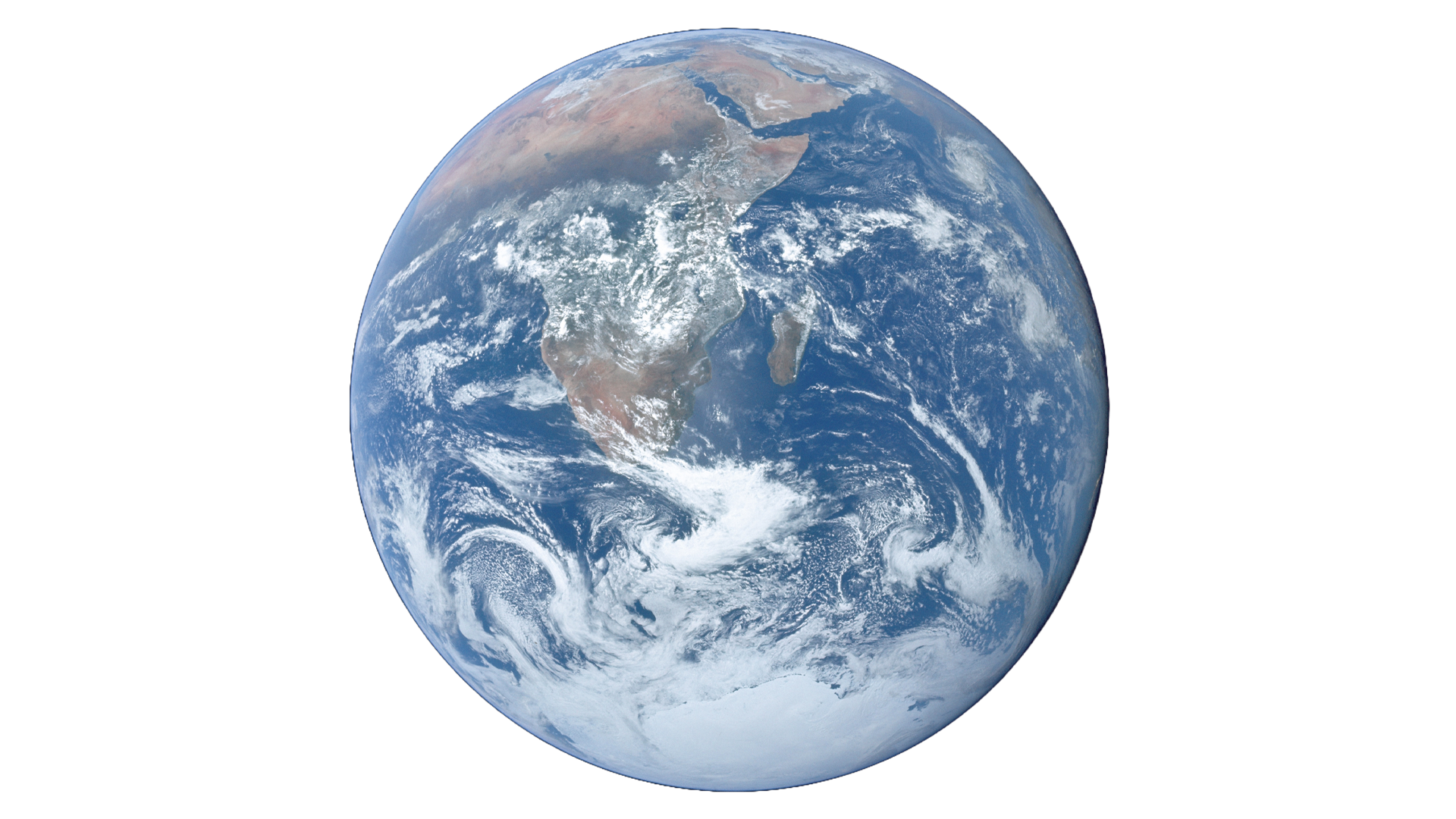
• Earth is the third planet from the Sun in our solar system.
• It is a rocky, Terrestrial planet with a diverse and dynamic environment.
• Earth rotates around its axis an imaginary line passing through the North and South Poles.
• This rotation takes approximately 24 hours causing the cycle of day and night.
• As Earth rotates, One half faces the Sun experiencing daylight (day), While the other half is in darkness experiencing nighttime (night).
• The rotation of Earth on its axis is responsible for the changing pattern of day and night.
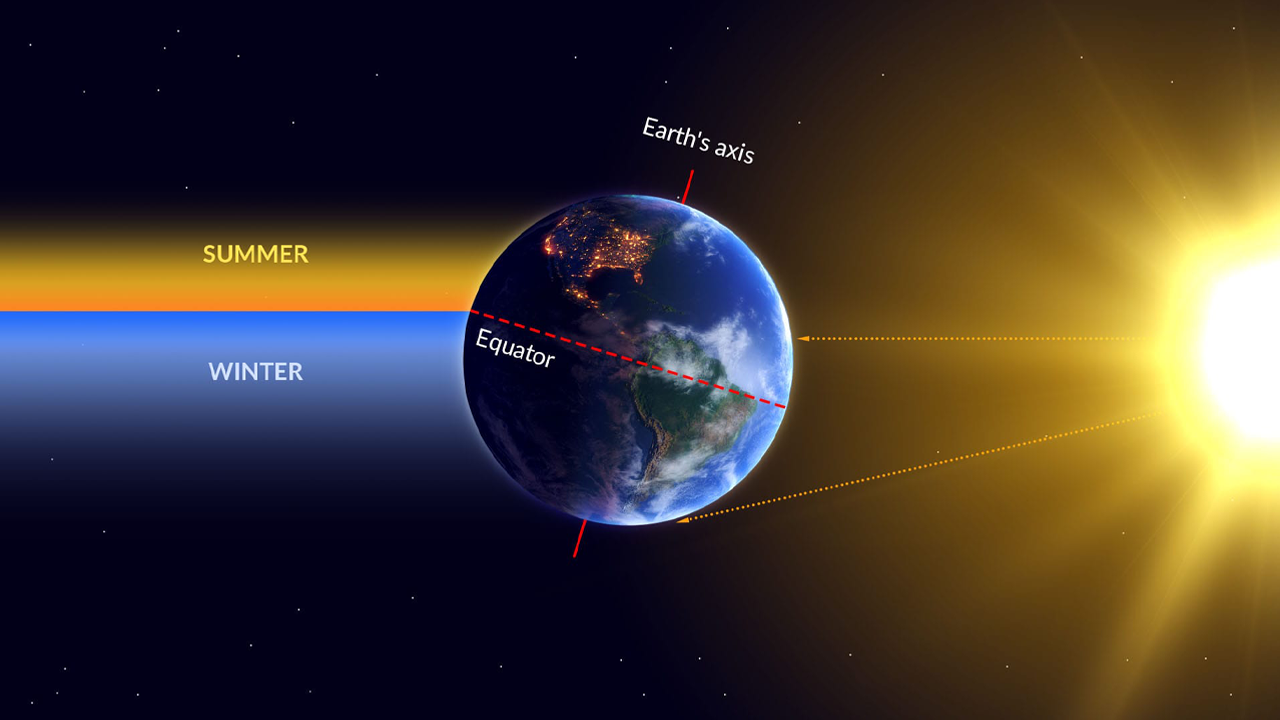
• Earth’s axial tilt is crucial for the occurrence of seasons.
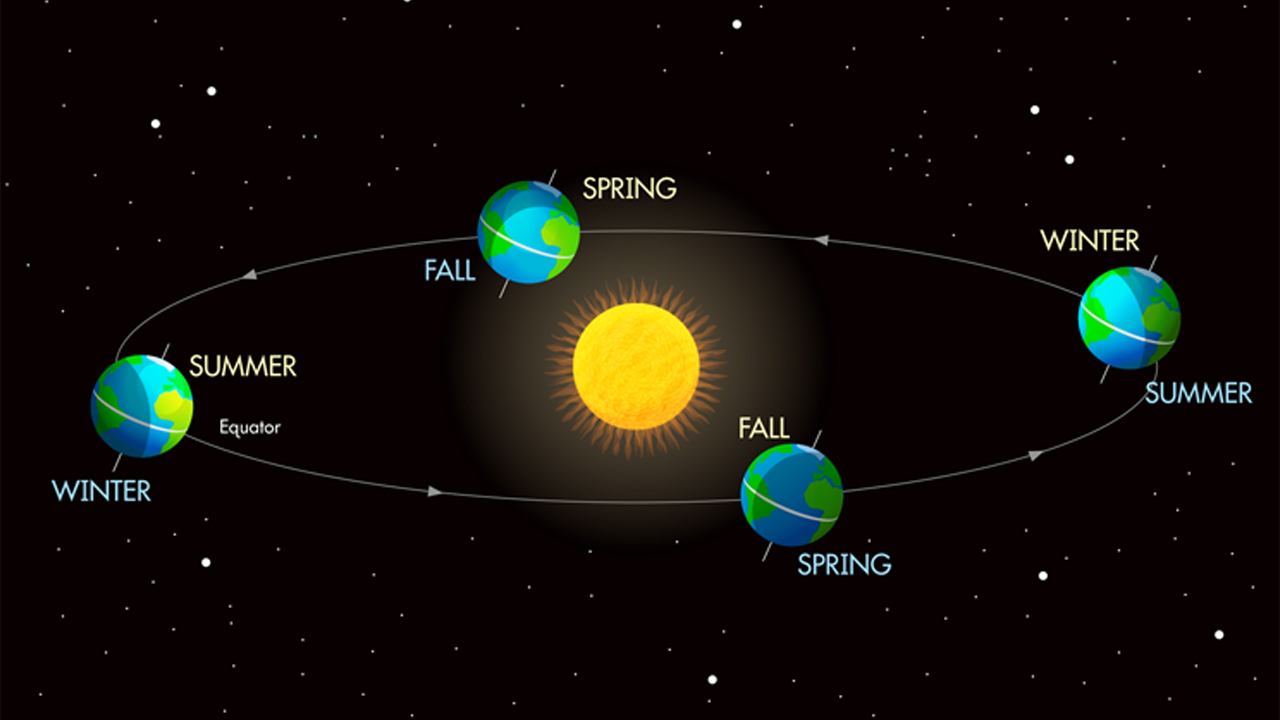
• The planet’s axis is tilted relative to its orbit around the Sun leading to variations in the intensity and duration of sunlight at different latitudes during the year.
• As Earth orbits the Sun, Different hemispheres experience different seasons. (Spring, Summer, Autumn, Winter)
• Earth has two geographic poles, The North Pole and The South Pole.
• The North Pole is located at the northernmost point on Earth, While the South Pole is at the southernmost point.
• The axial tilt and Earth’s rotation contribute to the polar day and polar night phenomena at these poles.
THE MOON
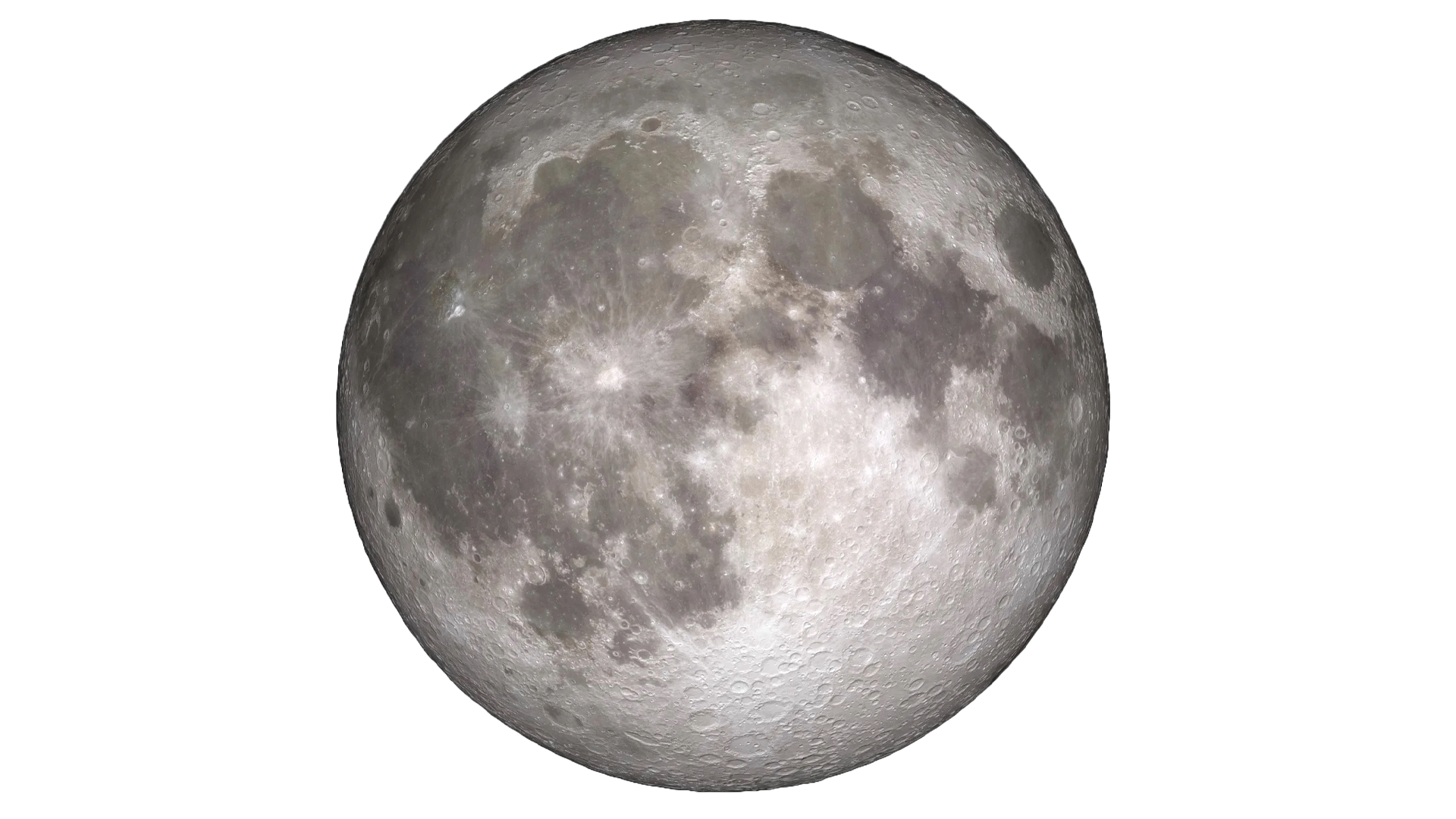
• The Moon is Earth’s natural satellite orbiting around it.
• It is the fifth-largest moon in the solar system.
• The Moon orbits Earth in an elliptical path and completes one orbit approximately every 27.3 days.
• Different phases of the Moon (New Moon, Crescent, First Quarter, Gibbous, Full Moon) result from the changing positions of the Earth, Moon and Sun.
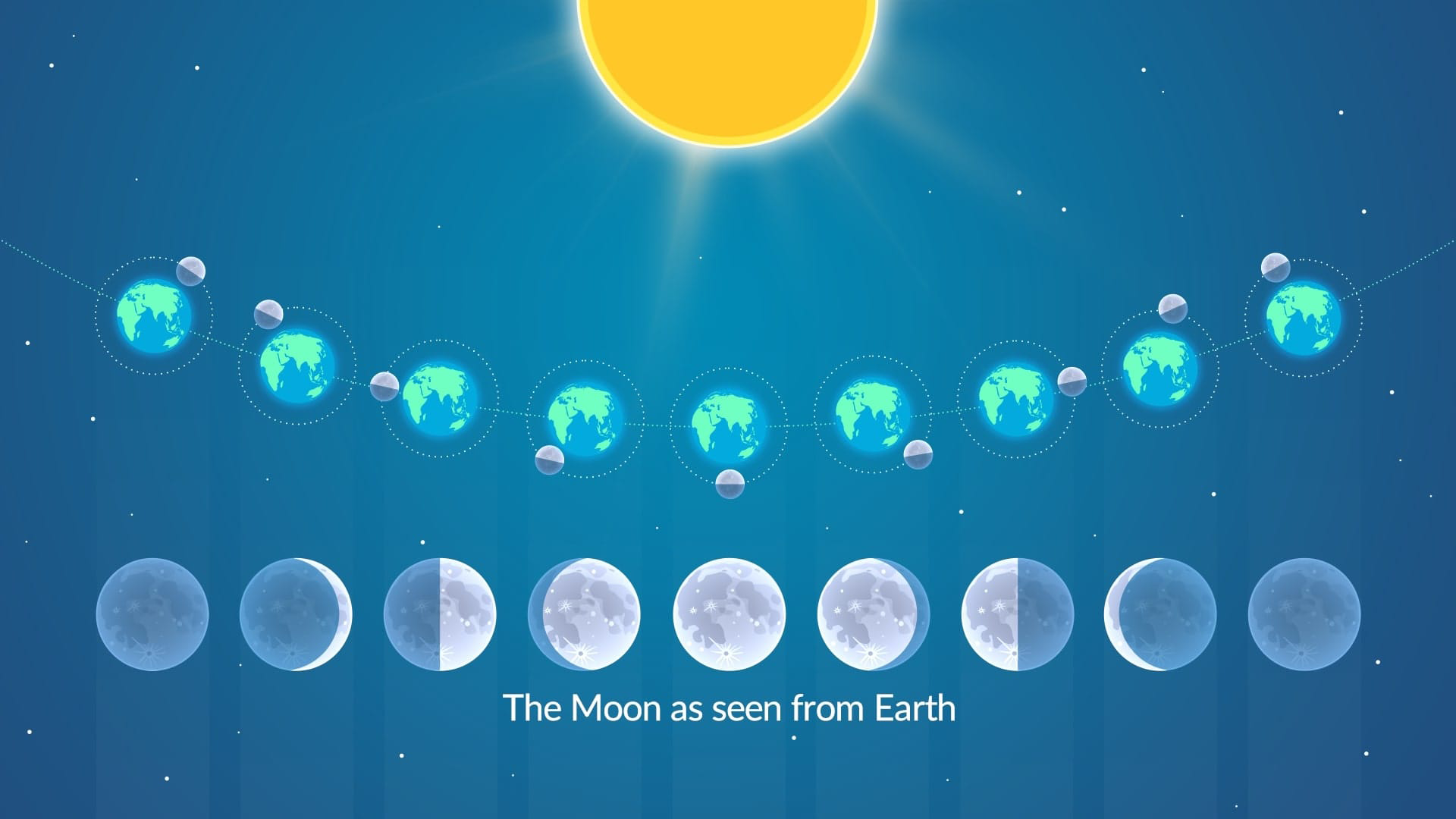
• The gravitational pull of the Moon causes tides on Earth.
• The gravitational interaction between Earth and the Moon results in the rise and fall of ocean tides.
• The Moon rotates on its axis in about the same time it takes to orbit Earth.
• This synchronous rotation means that the same side of the Moon always faces Earth, Creating a near-permanent far side that is not visible from Earth.
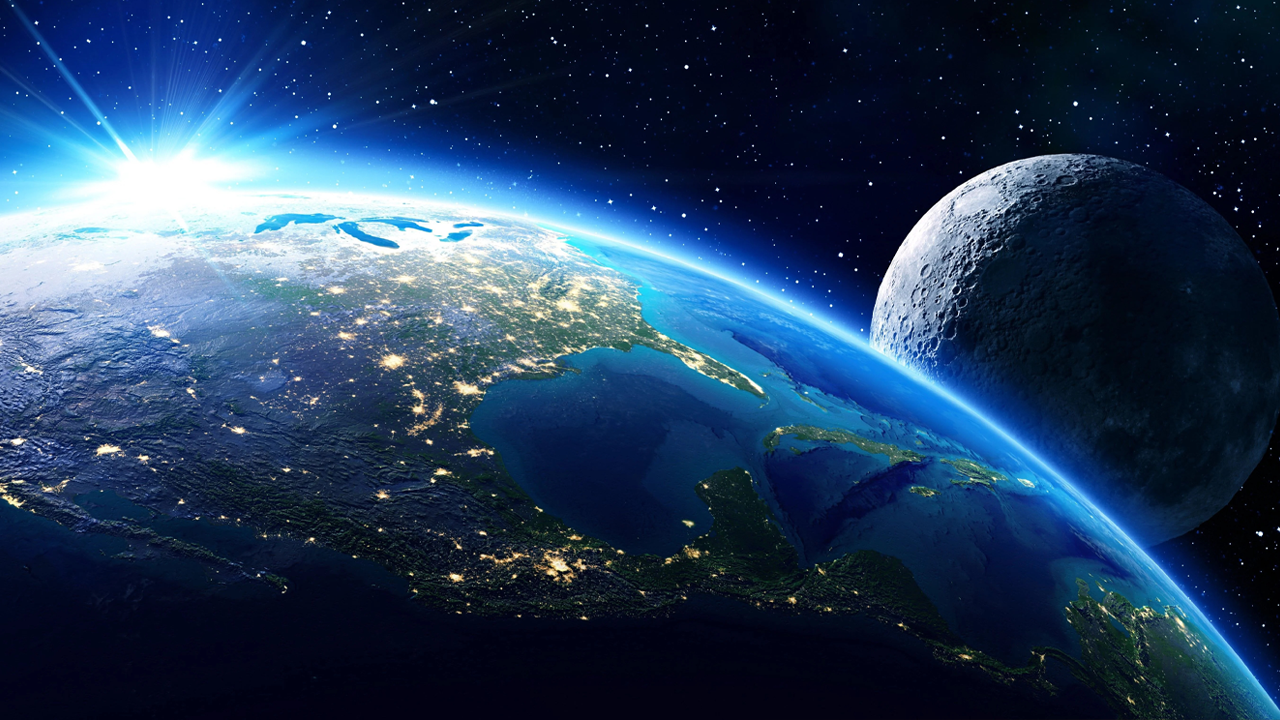
• The Moon’s gravitational pull helps stabilize Earth’s axial tilt, Preventing significant variations over long periods.
• It has influenced Cultural, Mythological and Scientific aspects throughout human history.
Understanding the dynamics of Earth’s Rotation, Orbit and Gravitational interplay with the Moon is fundamental to comprehending various natural phenomena and shaping the conditions for life on our Planet.

THE SUN (Our Central Star)
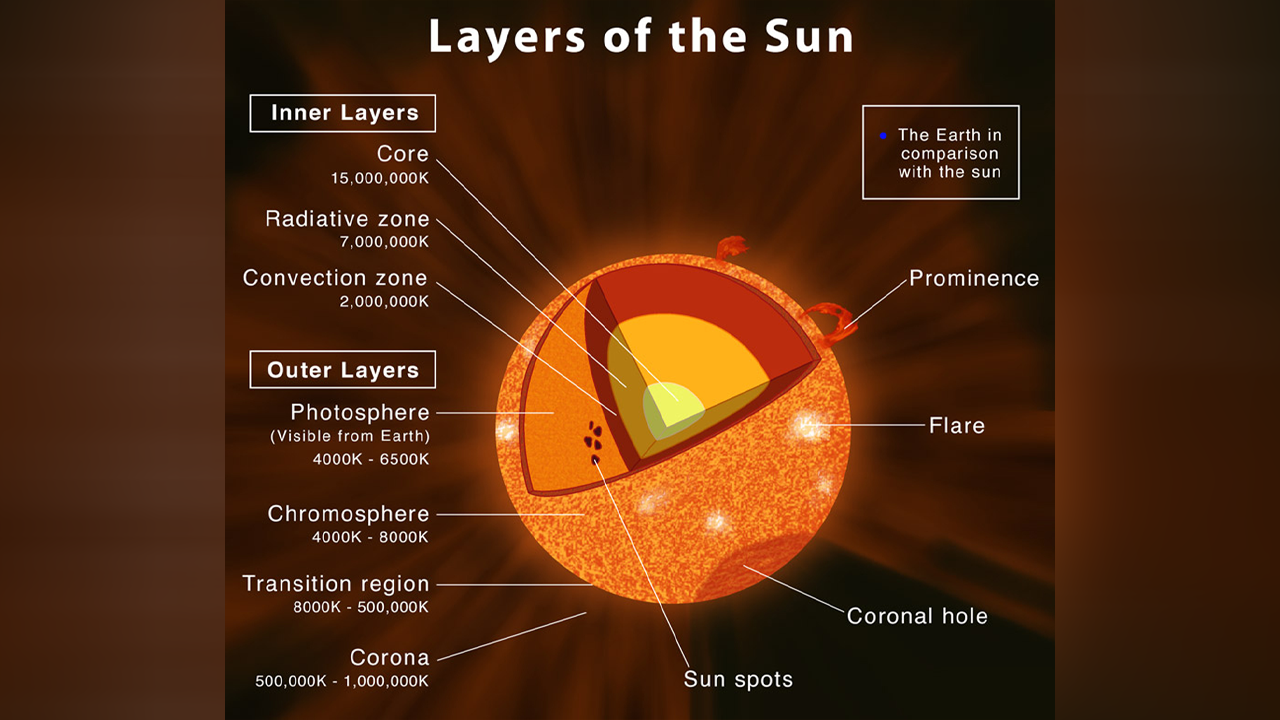
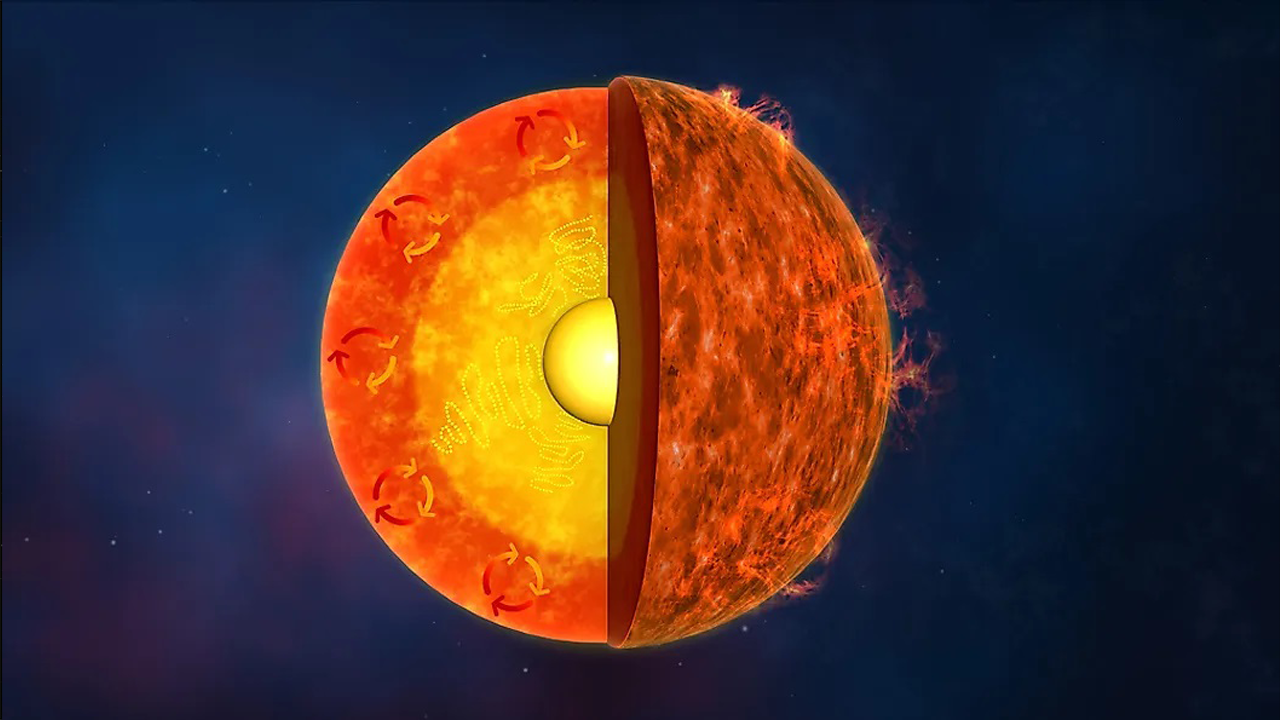
Layers of the Sun
• The Sun is a massive, Luminous ball of hot, Ionized gas, Primarily composed of Hydrogen (about 74%) and Helium (about 24%).
• It undergoes Nuclear Fusion at its core, Converting Hydrogen into Helium and releasing a tremendous amount of energy in the process.
• The Sun is a G-type main-sequence star, Classified as a G2V Dwarf.
• Its diameter is approximately 1.4 million kilometres (about 870,000 miles), Making it about 109 times the Diameter of Earth.
• The temperature at the core of the Sun is around 15 million Degrees Celsius (27 million Degrees Fahrenheit).
• The outer layer known as the Photosphere has temperatures ranging from about 5,500 Degrees Celsius (9,932 Degrees Fahrenheit) on the surface to 4,000 Degrees Celsius (7,232 Degrees Fahrenheit) higher up.
• Nuclear fusion occurs in the Sun’s core, where high temperatures and pressures cause hydrogen atoms to fuse into helium.
• This process releases an immense amount of energy in the form of Light and Heat, Creating the sunlight that reaches Earth.
• The Sun emits energy across the electromagnetic spectrum including visible light, Ultraviolet (UV) and infrared Radiation.
• The Sun’s energy is a primary driver of Earth’s climate and supports life through Photosynthesis in plants.
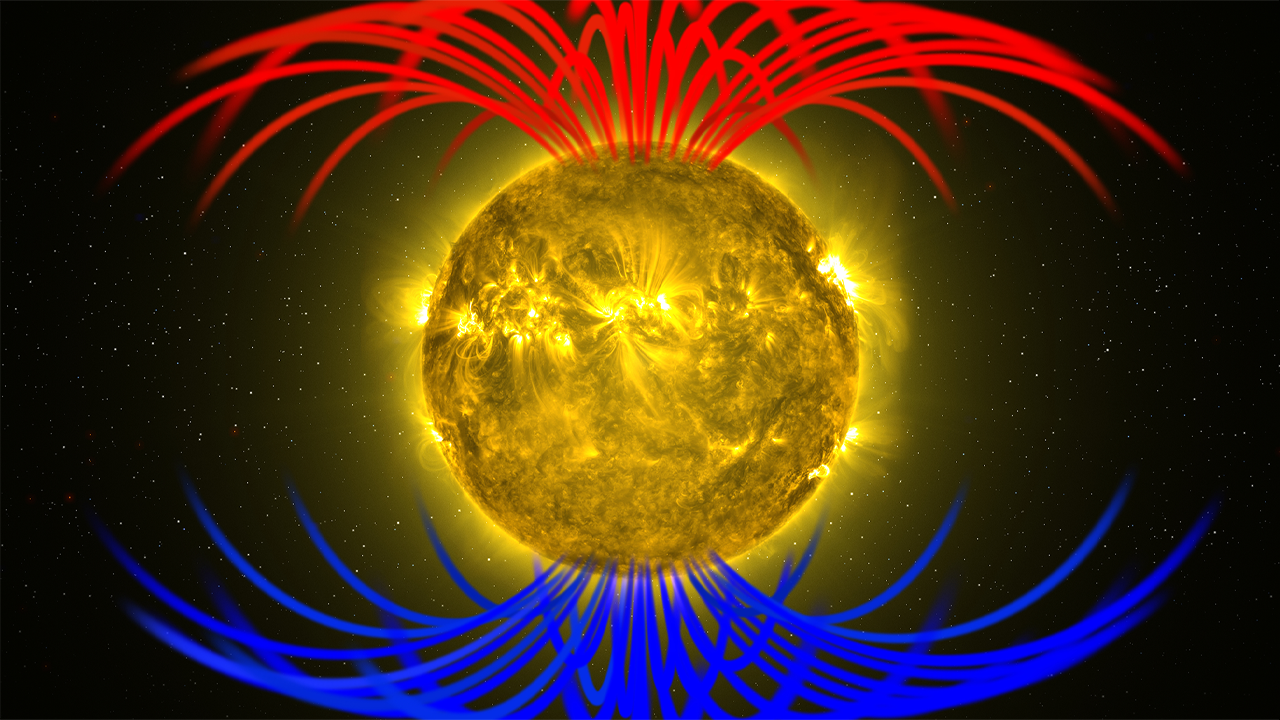
• The Sun has a complex magnetic field that goes through an 11-year cycle of activity known as the solar cycle.
• Solar activity includes the formation of Sunspots, Solar flares and Coronal mass ejections.
Importance in the Solar System
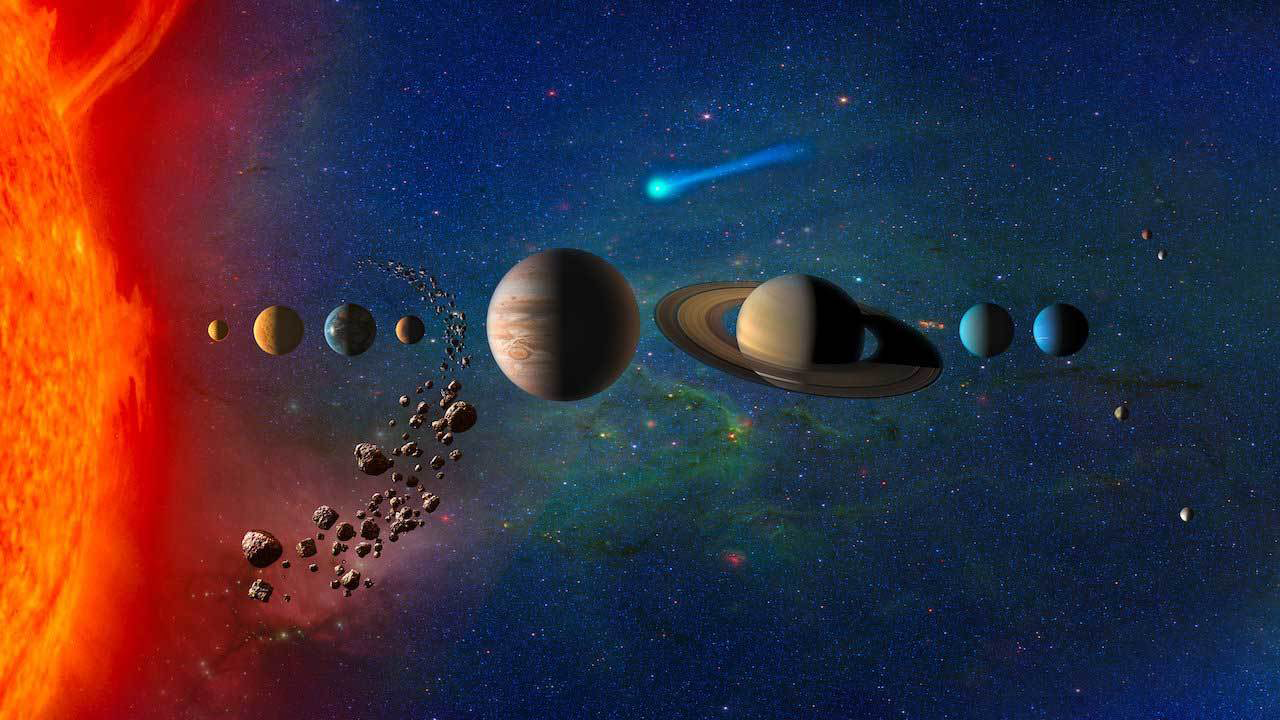
• The Sun’s gravitational pull holds the entire Solar System together. Planets, Moons, Asteroids and other Celestial Bodies orbit the Sun due to its Gravitational Force.
• The Sun is the primary source of light and heat for the Solar System.
• Sunlight is essential for the process of photosynthesis in plants, Providing the foundation for most ecosystems and the energy source for life on Earth.
•The Sun played a pivotal role in the formation of the solar system approximately 4.6 billion years ago.
• It formed from the gravitational collapse of a region within a large molecular cloud, and the remaining material formed the planets and other objects in the solar system.
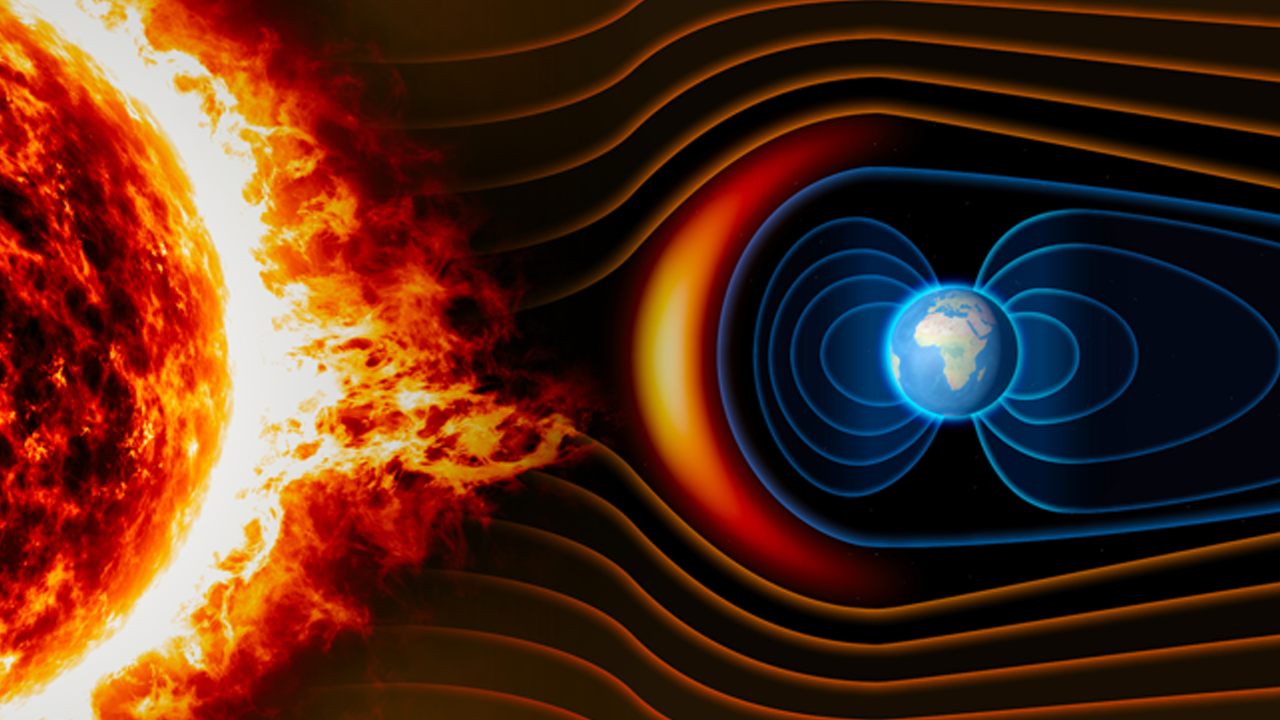
• The Sun emits a stream of charged particles known as the solar wind.
• This solar wind influences the heliosphere, The region of space dominated by the Sun’s influence and affects the atmospheres and magnetic fields of planets.
• Understanding the Sun’s characteristics and its role in the solar system is crucial for unravelling the mysteries of the universe and comprehending the dynamics that govern the celestial bodies within it.